
by grace
Share
Why Being an Informed and Engaged Patient Matters
Observed annually on September 17, World Patient Safety Day highlights the importance of preventing avoidable harm and improving the quality and safety of healthcare worldwide. The observance encourages patients, healthcare professionals, and healthcare organizations to work together to create safer, more effective healthcare experiences.
Every patient deserves to feel heard, informed, and confident in the care they receive. From understanding medications and treatment plans to communicating openly with a physician, patients play an important role in supporting safe, high-quality care. At the heart of patient safety is something fundamental: a strong relationship between a patient and their doctor.
Patient safety focuses on reducing the risk of unnecessary harm associated with healthcare while creating systems that support safe, effective, and high-quality care. Healthcare professionals have an important responsibility to provide safe care, but patients and caregivers are also valuable members of the healthcare team. Asking questions, understanding treatment plans, maintaining an accurate medication list, and communicating changes in health can all help support safer care.
Patient Safety is not about expecting patients to become experts in medicine. It’s about making sure patients have the information, communication, and support they need to actively participate in decisions about their healthcare.
5 Ways to be an Active Part of Your Healthcare Team
- Ask Questions: Never hesitate to ask a physician to explain something that is unclear or difficult to understand. Understanding a diagnosis, treatment recommendation, medication, or follow-up plan can help patients make informed decisions about their health. When it comes to health, every question is worth asking.
- Keep a Current Medication List: Medication related errors can be an important patient safety concern. Maintaining an accurate list of prescriptions, over-the-counter medications, vitamins, and supplements can help healthcare professionals make informed decisions about treatment. Bring an updated medication list to medical appointments and communicate any medications that have been started, stopped, or changed.
- Keep Medical History and Records Up to Date: Accurate medical records provide important information for developing an appropriate and personalized plan of care. Keep physicians informed about significant medical conditions, allergies, previous procedures, medications, and relevant family medical history. Keeping this information current can help physicians make more informed decisions about treatment and preventive care. This is also one reason continuity of care matters. An ongoing relationship with a primary care physician allows the doctor to become familiar with a patient’s medical history, health goals, preferences, and changes over time. That familiarity can support more personalized and coordinated care.
- Speak Up When Something Doesn’t Seem Right: Patients know their bodies and experiences better than anyone else. If something feels different, a medication does not seem right, or a recommendation is unclear, speak up. Open communication between patients and healthcare professionals is an important part of safe, effective care. Being an engaged patient does not mean challenging a physician. It means working together with a physician to make informed decisions about healthcare.
- Choose a Trusted Primary Care Doctor: A strong doctor-patient relationship can make it easier to ask questions, share concerns, discuss changes in health, and work together on an individualized care plan. Having a primary care physician who takes the time to listen and understand a patient’s health history can create greater continuity and trust throughout the healthcare journey. At Delphi Enhanced Primary Care, the doctor-patient relationship is at the center of primary care.
The Importance of a Doctor-Patient Relationship
Healthcare can feel rushed and impersonal. Short appointments, difficulty getting an appointment, and limited access to your physician can make it challenging to have meaningful conversations about your health.
At Delphi Enhanced Primary Care, our physicians care for smaller patient panels, allowing them to spend more time getting to know the people they care for. Patients have access to same-day and next-day appointments when available, longer visits when needed, and direct communication with their physician.
That accessibility can create something incredibly valuable: trust.
Healthcare works best when patients and providers work together. Patients shouldn’t feel like a passive participant in their healthcare. They should feel comfortable asking questions, understanding options, sharing concerns, and making decisions alongside their physicians. Delphi Enhanced Primary Care believes that starts with taking the time to know each individual patient; not just by their charts, but by heart.
Take an active role in your healthcare. Ask questions. Stay informed. Know your medications. And, most importantly, build a relationship with a primary care physician you trust. Better healthcare starts with a better relationship.
Frequently Asked Questions
References
- World Health Organization (WHO). World Patient Safety Day.
- World Patients Alliance. World Patient Safety Day 2026.
-
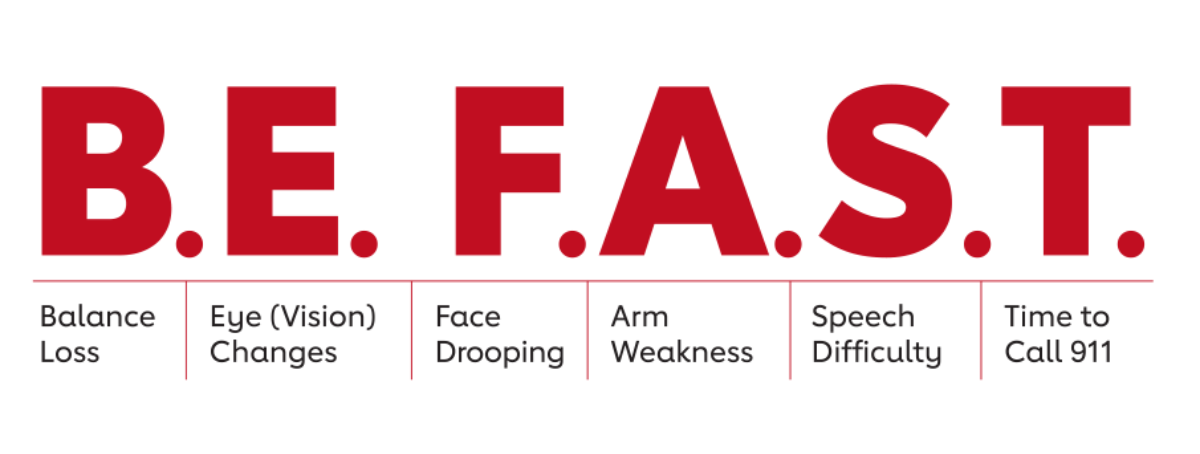
Stroke Awareness Month: May is Stroke Awareness Month, a nationwide effort to educate our communities about what a stroke is, how to recognize the warning signs, and motivate everyone to take steps toward prevention for better health. A stroke happens when blood flow to the brain is suddenly interrupted. This can occur either from a

April is Stress Awareness Month, a timely reminder that while stress is a normal part of life, unchecked stress can quietly take a serious toll on our health. Stress isn’t just a feeling. It can contribute to headaches, sleep problems, digestive issues, high blood pressure, weakened immunity, anxiety, and even chronic disease. What makes stress