
by grace
Share

Breast Cancer Awareness Month: The Importance of Prevention and Early Detection
October is Breast Cancer Awareness Month, an opportunity to raise awareness about breast cancer, encourage preventive care, and remind women of the importance of knowing their individual risk and staying current with recommended screenings. Breast cancer develops when abnormal cells in the breast grow and multiply, forming a tumor. It is the most common cancer among women in the United States, other than skin cancer.
According to the National Cancer Institute’s SEER program, approximately 1 in 8 women in the United States will develop breast cancer during their lifetime. Although breast cancer is more common in women over age 50, it can also affect younger women and men. While breast cancer cannot always be prevented, understanding personal risk, maintaining healthy habits, recognizing changes, and participating in recommended screening can all play important roles in protecting breast health.
Breast cancer screenings are designed to detect cancer before symptoms develop. According to the Centers for Disease Control and Prevention (CDC), the U.S. Preventive Services Task Force recommends that women ages 40 through 74 who are at average risk receive a mammogram every two years. Mammograms use X-rays to examine breast tissue and can detect abnormalities before they can be felt or cause noticeable symptoms. Screening can help identify breast cancer earlier, when treatment may be more effective.
However, screening recommendations are not the same for everyone. Women with a personal history of breast cancer, a strong family history, certain inherited genetic changes, or other significant risk factors may need a different screening schedule or additional imaging. Talking with a trusted healthcare provider can help understand which recommendations apply to individual circumstances.
Scheduling recommended mammograms is an important part of breast health, but understanding risk and making informed lifestyle choices also matter. According to the CDC and the American Cancer Society, these habits, among others, may help reduce breast cancer risk:
- Maintain a healthy weight: Excess body weight, particularly after menopause, is associated with an increased risk of breast cancer.
- Stay physically active: Regular physical activity supports overall health and may help lower breast cancer risk.
- Understand your family history: Inherited genetic changes, including changes in the BRCA1 and BRCA2 genes, can significantly increase breast cancer risk.
It is important to remember that healthy habits cannot eliminate breast cancer risk. Even individuals without known risk factors can develop the disease. The goal is to understand what can be influenced, recognize what cannot, and make informed decisions about care.
Preventive healthcare is most effective when it reflects the individual. Medical history, family history, lifestyle, age, and other health considerations all help inform decisions about screening and risk reduction. At Delphi Enhanced Primary Care, the approach to primary care centers on accessibility, continuity, and meaningful relationships between patients and physicians. Smaller patient panels allow physicians to dedicate more time to understanding their patients, answering questions, and discussing individual health needs.
This relationship-driven approach creates opportunities for preventive care to become an ongoing conversation rather than a once-a-year checklist. Whether discussing screening recommendations, reviewing family history, or addressing a new concern, patients deserve to feel heard, informed, and supported in their healthcare decisions.
Make Breast Health a Priority This October
Breast Cancer Awareness Month serves as an annual reminder, but breast health deserves attention throughout the year. Take this month to review personal and family medical history, confirm that you are up to date with recommended breast cancer screenings, talk with a trusted physician about any factors that may increase risk, become familiar with how your breasts normally look and feel, and make steps towards maintaining healthy habits.
Learn more about Delphi Enhanced Primary Care and discover a primary care experience built around access, personalized attention, and lasting relationships with your physician.
This article is intended for educational purposes only and is not a substitute for individualized medical advice, diagnosis, or treatment. Consult your healthcare provider about the screening and prevention recommendations appropriate for you.
References
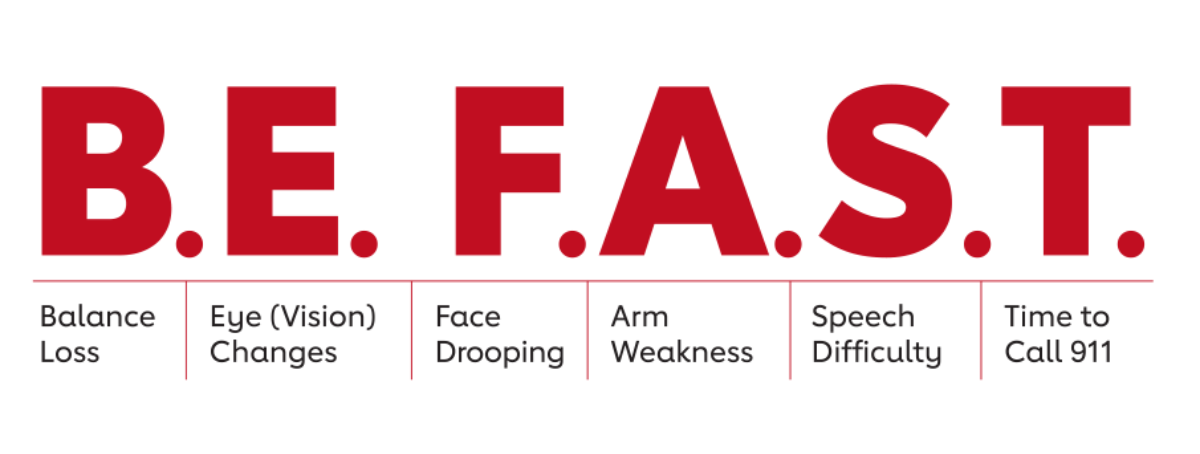
Stroke Awareness Month: May is Stroke Awareness Month, a nationwide effort to educate our communities about what a stroke is, how to recognize the warning signs, and motivate everyone to take steps toward prevention for better health. A stroke happens when blood flow to the brain is suddenly interrupted. This can occur either from a

April is Stress Awareness Month, a timely reminder that while stress is a normal part of life, unchecked stress can quietly take a serious toll on our health. Stress isn’t just a feeling. It can contribute to headaches, sleep problems, digestive issues, high blood pressure, weakened immunity, anxiety, and even chronic disease. What makes stress