
by grace
Share

National AFib Awareness Month
September is National Atrial Fibrillation Awareness Month, a time to raise awareness about atrial fibrillation (AFib), a common irregular heart rhythm that can affect people of all ages. While AFib can sometimes have no noticeable symptoms, recognizing potential signs and understanding risk factors can help support early detection and management. According to the American Heart Association, people with AFib have a greater risk of stroke, dementia and heart failure compared to those without AFib. This makes awareness, prevention, and regular healthcare an important part of protecting your heart health.
What is Atrial Fibrillation (AFib)
Atrial fibrillation occurs when the heart’s upper chambers, or atria, beat irregularly. This affects how efficiently the heart pumps blood through the body and can increase the risk of blood clots and other cardiovascular complications.
Some people with AFib experience symptoms, while others may not notice anything unusual. The American Heart Association lists symptoms to include:
The Role of Primary Care in Prevention
Primary care plays an important role in preventing and managing heart conditions like AFib. Regular visits give your Primary Care Provider the opportunity to monitor blood pressure, cholesterol, blood sugar, weight, and other risk factors that can impact your heart health. Preventive care also gives you the opportunity to discuss lifestyle factors that support cardiovascular health, including nutrition, physical activity, sleep, stress management, and smoking cessation when appropriate. Your Primary Care Provider can also recognize changes that may warrant additional testing or evaluation and coordinate care with a cardiologist or other specialist when needed.
At Delphi Enhanced Primary Care, our physicians focus on proactive, personalized care. Taking the time to understand each patient’s health history and individual risk factors allows our doctors to identify potential concerns and work with patients to develop a plan for their long-term health. With smaller patient panels, Delphi physicians are able to spend more time with patients, closely review their health history, and focus on preventive care. Not just treating problems when they arise.
Take a Proactive Approach to Heart Health
AFib awareness is about more than recognizing symptoms. It’s about understanding regular preventive care is an important part of maintaining heart health and identifying potential concerns early. This September, know your risk, recognize the signs, and talk with your Primary Care Provider about any concerns.
Take a Proactive Approach in Your Heart Health
References
- American Heart Association. “What Is Atrial Fibrillation?” American Heart Association.
- American Heart Association. “What Are the Symptoms of Atrial Fibrillation?” American Heart Association
- American Heart Association. “Understanding AFib: Symptoms, Treatment and Living Well.” American Heart Association.
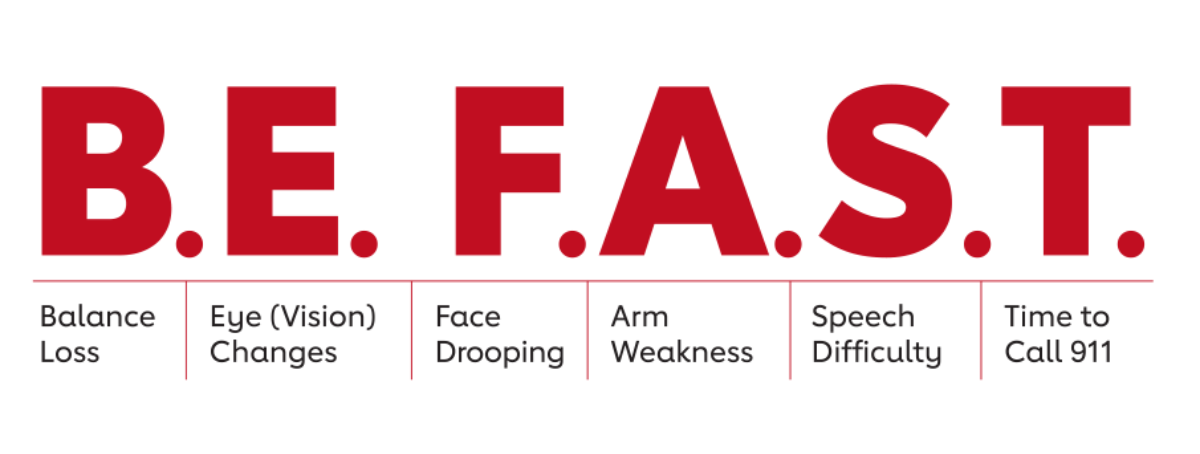
Stroke Awareness Month: May is Stroke Awareness Month, a nationwide effort to educate our communities about what a stroke is, how to recognize the warning signs, and motivate everyone to take steps toward prevention for better health. A stroke happens when blood flow to the brain is suddenly interrupted. This can occur either from a

April is Stress Awareness Month, a timely reminder that while stress is a normal part of life, unchecked stress can quietly take a serious toll on our health. Stress isn’t just a feeling. It can contribute to headaches, sleep problems, digestive issues, high blood pressure, weakened immunity, anxiety, and even chronic disease. What makes stress