by grace
Share
Stroke Awareness Month:
May is Stroke Awareness Month, a nationwide effort to educate our communities about what a stroke is, how to recognize the warning signs, and motivate everyone to take steps toward prevention for better health.
A stroke happens when blood flow to the brain is suddenly interrupted. This can occur either from a blockage (ischemic stroke) or from a blood vessel leak or rupture (hemorrhagic stroke). Without oxygen-rich blood, brain cells can begin to die, which is why rapid recognition and response are critical. Stroke can affect anyone at any age, and in the U.S. it is one of the leading causes of disability. That’s why public awareness and education are such essential parts of Stroke Awareness Month.
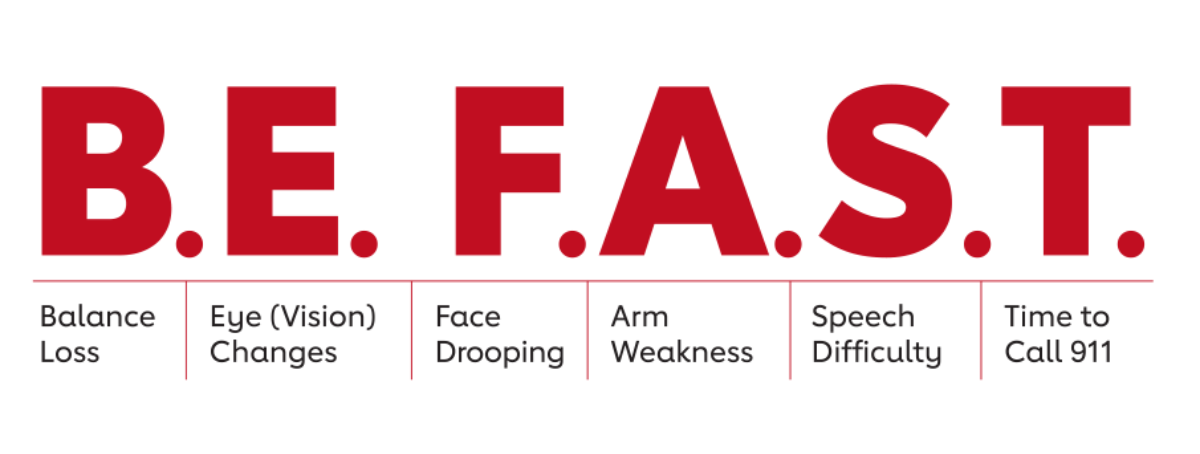
Know the Warning Signs: B.E. F.A.S.T.
The American Stroke Association teaches a simple way to recognize stroke symptoms quickly:
- B – Balance Loss: Sudden trouble with balance or coordination
- E – Eye (Vision) Changes: Blurred, double, or sudden loss of vision
- F – Face Drooping: One side of the face droops or feels numb
- A – Arm Weakness: One arm drifts downward when raised
- S – Speech Difficulty: Slurred or hard-to-understand speech
- T – Time to Call 911: If you notice any of these signs, call immediately
How Primary Care Plays a Critical Role in Prevention
The encouraging truth about Stroke Awareness Month is that up to 80% of strokes are preventable. While some risk factors like age and family history can’t be changed, many others can, especially when addressed early with lifestyle choices and medical care.
Stroke prevention doesn’t happen in the emergency room. It happens in routine visits where your provider:
- Monitors blood pressure trends
- Manages cholesterol and blood sugar
- Screens for heart rhythm abnormalities
- Helps with smoking cessation
- Supports sustainable weight loss and nutrition habits
- Creates a personalized prevention plan based on your history
With Delphi Enhanced Primary Care, patients have time, access, and a close relationship with their primary care provider. This helps identify risk factors earlier leading to more effective and proactive management.
A stroke can change a person’s life forever. Stroke Awareness Month honors not only prevention, but also recovery and support. Survivors and caregivers can connect with education, resources, and community to help navigate life after a stroke. Small steps can make a life-changing difference.
For additional education and resources, visit the American Stroke Association.