
by grace
Share

Understanding Patient Burnout: How to Navigate Healthcare Stress
Healthcare should help you feel better, not leave you feeling overwhelmed.
Yet for many people, managing their health has become a full-time job. Between scheduling appointments, coordinating specialist visits, understanding insurance requirements, managing medications, and waiting for answers, navigating today’s healthcare system can be exhausting.
This growing phenomenon is known as patient burnout, and it affects more people than many realize.
So, What Exactly is Patient Burnout?
Patient burnout occurs when the emotional, mental, and physical demands of managing your health become overwhelming. It can happen to anyone, whether you’re dealing with a chronic condition, recovering from an illness, caring for a family member, or simply trying to stay on top of preventive care.
You may be experiencing patient burnout if you:
- Feel overwhelmed by medical appointments and healthcare decisions
- Struggle to keep track of medications, referrals, or treatment plans
- Feel frustrated by long wait times or difficulty accessing care
- Experience anxiety while waiting for test results
- Feel emotionally drained after healthcare interactions
- Lose motivation to follow through with recommended care
Many patients describe feeling like they are navigating a complex system alone, constantly advocating for themselves while trying to understand complicated medical information.

Why Healthcare Feels So Stressful.
One of the biggest contributors to patient burnout is fragmentation in healthcare. Patients often find themselves bouncing between providers, repeating their medical history, coordinating care between specialists, and trying to make sense of conflicting information.
When there isn’t a central healthcare partner guiding the process, the burden often falls on the patient.
The result? More stress, more confusion, and often delayed care.
The Difference a Trusted Primary Care Doctor Makes.
Having a trusted primary care physician who truly knows you can dramatically reduce healthcare-related stress.
At Delphi Enhanced Primary Care, we believe healthcare works best when patients have direct access to a doctor who understands their health history, goals, and concerns.
Instead of feeling like just another appointment on a busy schedule, patients have a dedicated physician who serves as their healthcare advocate and trusted guide.
When questions arise, you don’t have to spend hours searching online or waiting weeks for an appointment. You have access to a physician who can provide answers, guidance, and reassurance when you need it most.
When patients know they have someone in their corner, healthcare becomes less overwhelming and more manageable.
You Don’t Have to Navigate Healthcare Alone.
Lean on Your Healthcare Team: You don’t have to navigate healthcare alone. A trusted primary care physician can help coordinate care, answer questions, explain treatment options, and serve as your advocate. Having a provider who knows your health history can significantly reduce stress and uncertainty.
Build a Strong Network: Family members, friends, healthcare providers, and support groups can all play an important role in your healthcare journey. Sharing your concerns and experiences with others can help reduce feelings of isolation and remind you that support is available when you need it.
Take breaks: Managing your health can feel overwhelming at times. Give yourself permission to step away from healthcare-related tasks when possible. Whether it’s taking a walk, reading a book, spending time outdoors, or enjoying a favorite hobby, small breaks can help recharge your mental and emotional energy.
Stay informed: Understanding your condition and treatment options can help you feel more in control. However, it’s important to rely on trusted sources and ask your healthcare team questions rather than spending hours searching online and becoming overwhelmed by conflicting information.
Prioritize self-care: Your physical and emotional well-being matter. Focus on getting adequate sleep, eating nutritious foods, staying active, and engaging in activities that help reduce stress. Consistent self-care can improve resilience and make healthcare challenges feel more manageable.
Patient burnout is a real and increasingly common experience. But healthcare doesn’t have to feel like a constant source of stress.
When you have a trusted primary care physician, direct access to care, and a team of advocates who know you and support your health goals, the healthcare experience becomes more personal, more manageable, and less overwhelming.
Delphi Enhanced Primary Care’s mission is to help patients feel heard, supported, and empowered throughout every stage of their healthcare journey, because peace of mind is an important part of good health.
Frequently Asked Questions
Sources:
- National Library of Medicine – PubMed Central “Patient burnout and the burden of health care.”
- The Ohio State University – Health & Discovery Gure, T. (2025, August 22). “5 tips for managing burnout as a patient.” Ohio State Health & Discovery.
- TIME Ducharme, J. (2023, February 27). “The Doctor Won’t See You Now: Long Waits, Short Appointments, Huge Bills: U.S. Health Care Is Causing Patient Burnout.” TIME.
- American Medical Association “Burnout is a health crisis for doctors—and patients.” American Medical Association.
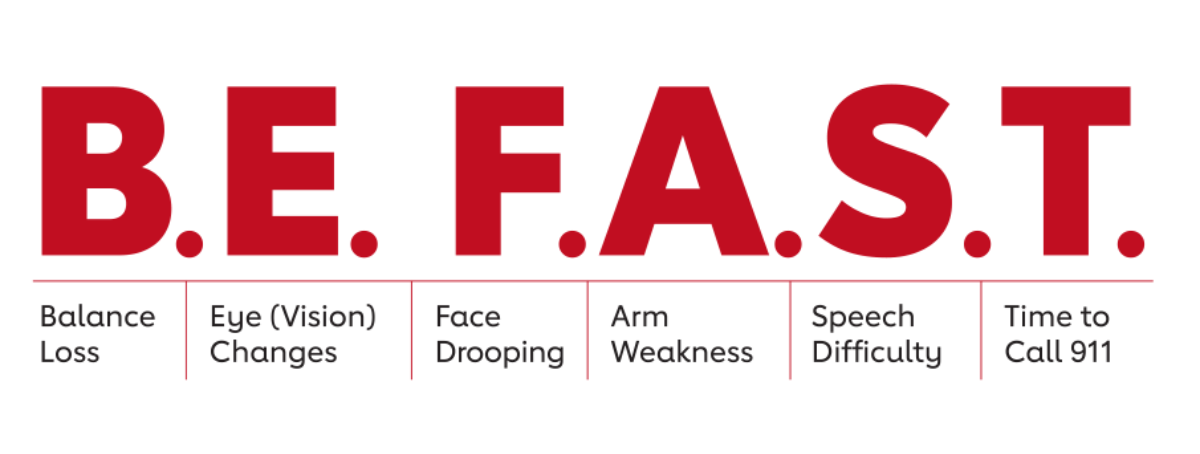
Stroke Awareness Month: May is Stroke Awareness Month, a nationwide effort to educate our communities about what a stroke is, how to recognize the warning signs, and motivate everyone to take steps toward prevention for better health. A stroke happens when blood flow to the brain is suddenly interrupted. This can occur either from a

April is Stress Awareness Month, a timely reminder that while stress is a normal part of life, unchecked stress can quietly take a serious toll on our health. Stress isn’t just a feeling. It can contribute to headaches, sleep problems, digestive issues, high blood pressure, weakened immunity, anxiety, and even chronic disease. What makes stress